
Download Analyst Report
Features Comparison
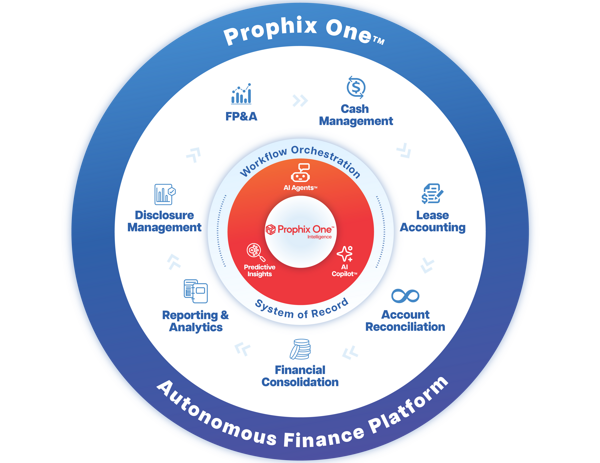
🏦 Platform Scope & Coverage
✓ Full Record to Report — planning, consolidation, close, and reporting in one platform.
⚠ Strong FP&A tool, but full close and consolidation require additional Workday modules at added cost.
📊 Planning, Budgeting & Forecasting
✓ Finance builds and modifies models directly — no development resources needed.
✓ Strong planning tools, but complex formulas and model changes go beyond typical finance skills.
💰 Total Cost of Ownership
✓ One platform, predictable pricing. No module add-ons required to cover the full finance process.
⚠ Adaptive is one layer. Full finance coverage requires additional Workday products, increasing total spend significantly.
⚡ Implementation Speed
✓ Live in 8–12 weeks. Finance-led from day one.
⚠ Implementation complexity and steep learning curve extend timelines well beyond expectations.
👥 Finance Team Autonomy
✓ Built for finance administrators. No scripting, no IT dependency, no engineering skills required.
⚠ Configuration often requires technical expertise. Small changes go beyond what most finance teams can do independently.
🛡️Security & Governance
✓ Enterprise-Grade — SOC 2 Type II, RBAC, full audit trails. Enterprise-grade without the overhead.
✓ Enterprise-grade security as part of the Workday ecosystem — though tied to Workday's broader platform complexity
🤖 Artificial Intelligence
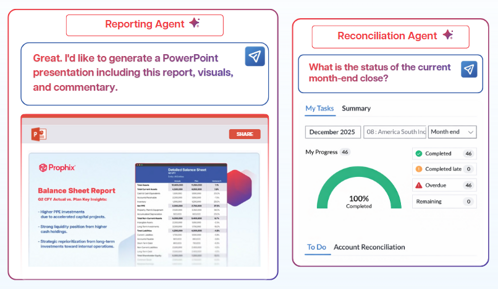
✓ Native AI Agents for budgeting, reporting, and close. Activated by finance, no IT or consultants required.
~ AI capabilities available but still maturing. Getting AI meaningfully into finance workflows requires additional setup and investment.
🔌 Integration & Ecosystem
✓ Integrates directly with Workday ERP (GL), Workday HCM, CRM systems, data warehouses, BI platforms, and operational systems
⚠ Optimized primarily within the Workday ecosystem ⚠ Expanding beyond planning often requires additional Workday modules or partner solutions