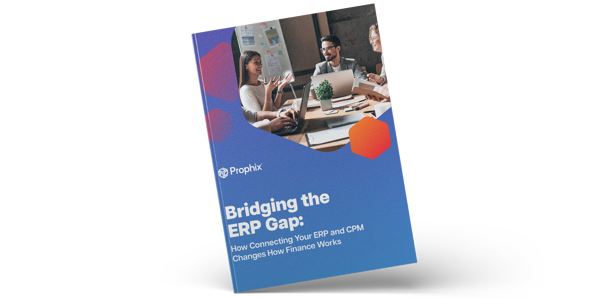
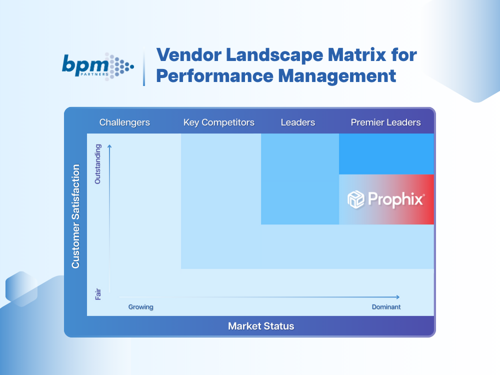

Download the BPM Partners Whitepaper
Organisations invest heavily in ERP, but many struggle to convert that data into flexible planning, forecasting, consolidation, close management, and governance.
This guide explains the clean division of responsibility and the compounding ROI when your ERP and CPM work together.
This guide will help you:
- Turn ERP data into strategic insight for driver based planning, rolling forecasts, and rapid what if modelling, no spreadsheet gymnastics.
- Accelerate close and strengthen controls with workflow approvals, reconciliations, audit trails, and built in consolidation.
- Protect ERP performance by offloading heavy analytics and complex modelling to a purpose built platform.
- Unify systems for complete visibility by connecting ERP with CRM, HRIS, project systems, and more, so plans reflect business reality, not just financial history.
What this guide covers:
- ERP vs. CPM explained and why finance needs both.
- Four outcomes of pairing them including planning agility, stronger close controls, better performance, and cross system insight.
- Capability comparison showing what ERP does best, what CPM does best, and where overlap creates friction.
- Architecture primer on OLTP vs. OLAP and what it means for scale, scenarios, and governance.
- CFO/CIO perspective on extending ERP value without technical debt, heavy customisation, or workarounds.
Who is this guide designed for?
- CFOs and finance leaders accountable for forecast accuracy, margin, and decision speed
- Controllers and accounting leaders responsible for close, controls, and audit readiness
- FP&A leaders who need planning that scales beyond spreadsheets
- CIOs / ERP owners who want to extend ERP value without degrading upgrade paths
ERP vs. CPM FAQs
- Is this suggesting we replace our ERP?
We are not suggesting you replace your ERP. The guide explains why ERP remains the system of record—and why CPM complements it as the system of analysis, intelligence, and controls. - Is this guide only for large enterprises?
This guide is for organisations who have ERP data that is being stretched to handle planning, reporting packs, ad-hoc analysis, consolidation, or close workflows. - Why not just customise the ERP?
The guide covers the CIO perspective: planning/reporting customisations can create technical debt, strain performance, and complicate upgrades—while CPM preserves ERP integrity and extends value.